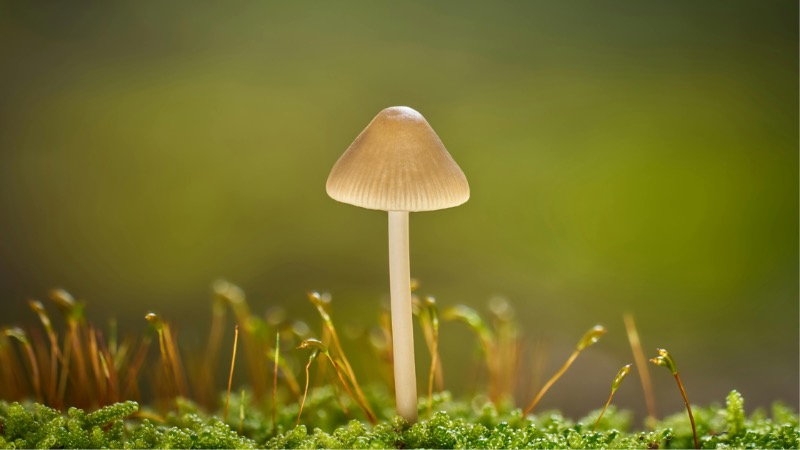
Psilocybin assisted therapy is an emerging treatment model that combines psychotherapy with the supervised use of psilocybin in a structured clinical setting. Psilocybin is a naturally occurring compound found in certain mushrooms, and in medical contexts it is administered in carefully controlled environments as part of a therapeutic process.
This approach is different from recreational use. In clinical settings, psilocybin is used within a defined treatment framework that includes:
- Careful psychiatric screening
- Structured preparation sessions
- A monitored dosing session
- Follow-up integration therapy
How Psilocybin Assisted Therapy Works
Psilocybin assisted therapy follows a structured, multi-step process. It is not a single appointment or simply taking a medication. The therapeutic model is intentionally designed to prioritize safety, preparation, and follow-up care. Most programs include three phases: preparation, a supervised session, and integration.Preparation Sessions
Before treatment, individuals undergo careful screening and participate in preparation appointments. These sessions typically include:- A comprehensive psychiatric and medical evaluation
- Review of current medications
- Discussion of treatment goals and expectations
- Education about what the experience may involve
The Supervised Session
The psilocybin session takes place in a monitored, supportive setting with trained professionals present. The environment is structured to feel calm and safe. During the experience, individuals may notice changes in perception, intensified emotions, or personal insights. The clinical team provides reassurance and support as needed, but does not direct the content of the experience. Sessions typically last several hours.Integration Sessions
Afterward, follow-up therapy focuses on processing the experience and applying insights to daily life. Integration helps connect the session to ongoing mental health goals and supports longer-term change.Who May Benefit from Psilocybin Assisted Therapy?
Research into psilocybin assisted therapy is ongoing. While findings are still emerging, studies have explored its potential role in several specific mental health conditions, particularly when symptoms have not improved with standard treatments. Areas currently being studied include:- Major depressive disorder
- Treatment-resistant depression
- Post-traumatic stress disorder (PTSD)
- Alcohol use disorder
- Other substance use disorders
- Emotional distress related to serious medical illness
How It Fits Into Broader Mental Health Care
Psilocybin assisted therapy is being studied within the field of psychiatry and is considered part of an evolving landscape of mental health treatment rather than an alternative to established care. Traditional treatments such as SSRIs or other medications remain central to psychiatric practice. For some individuals, emerging treatments are explored only after standard approaches have been tried. Even then, they are typically used within a broader treatment plan, not as a replacement for ongoing care. Mental health treatment is rarely one-size-fits-all. As research continues, psilocybin assisted therapy is being evaluated as one possible option within a comprehensive, individualized approach to psychiatric care.Safety Considerations and Screening
Because psilocybin affects perception, mood, and cognition, careful screening is essential. Emerging treatments require the same level of clinical caution as any other psychiatric intervention. Psilocybin assisted therapy is generally not recommended for individuals with:- Current or past psychotic disorders
- Bipolar I disorder
- Certain cardiovascular conditions
- Unstable medical illnesses